

As part of our sustainability strategy, we aim to continually improve air quality and reduce emissions in port and at sea. One of the many ways we are proactively doing this is by utilizing proven technologies such as Advanced Air Quality Systems (AAQS) to effectively and safely* improve emissions quality.
Optimizing a Proven Land Technology for the Sea
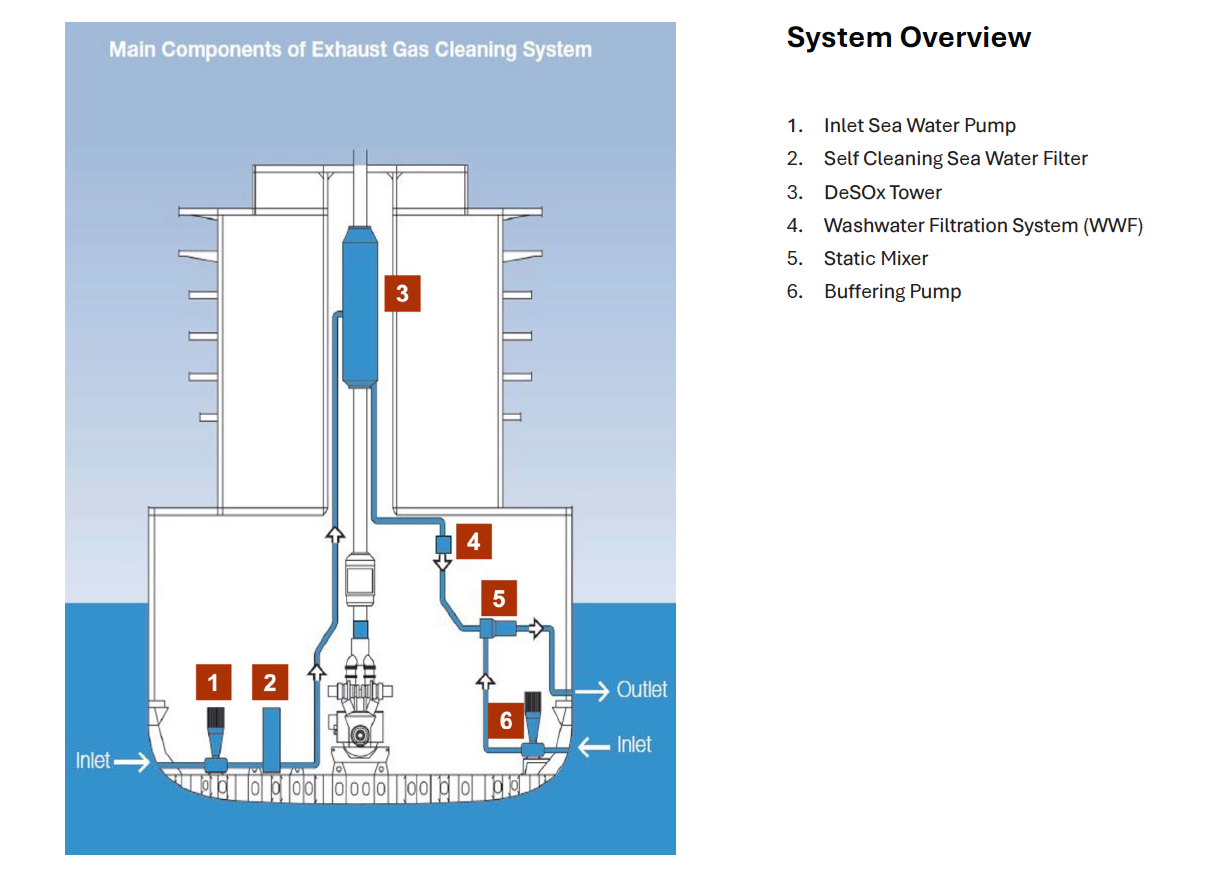
Advanced Air Quality Systems, also known as exhaust gas cleaning systems or scrubbers, are a widely adopted and proven technology that have been used for decades by land-based industrial and manufacturing companies to deliver overall cleaner air emissions. After being adapted for use at sea, the technology is currently used across the maritime industry more broadly, including on cruise ships, to effectively remove sulfur from exhaust, supporting our commitment and roadmap as a company to improve emissions quality.


Exceeding Operational Standards of Exhaust Cleaning
Pioneering for the Cruise Industry
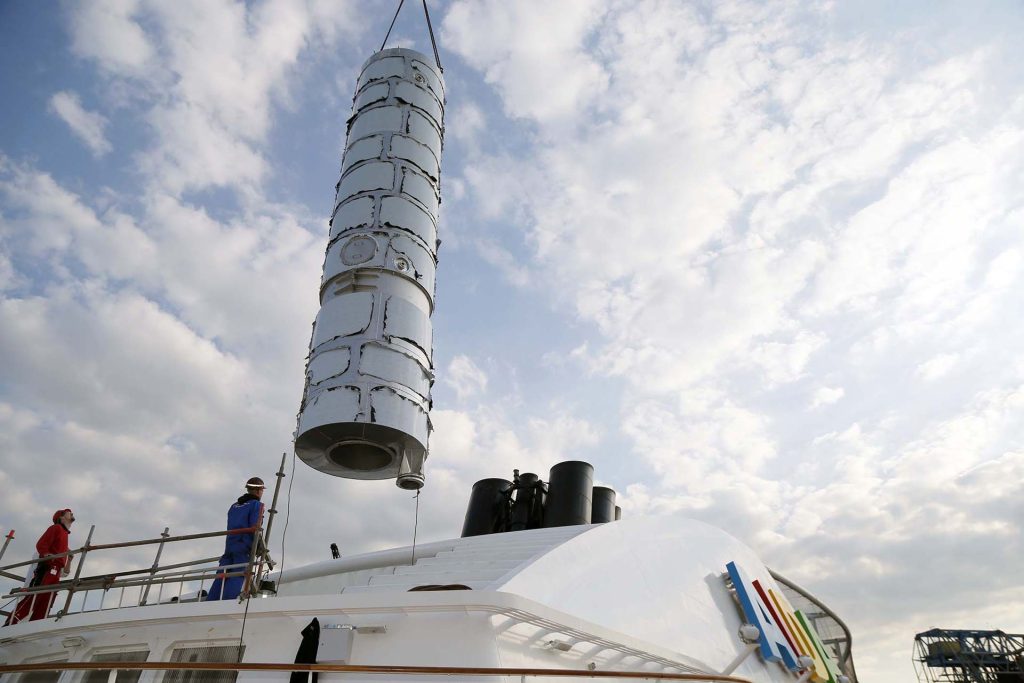
We pioneered the first AAQS for cruise in 2006, testing and extensively fine-tuning the technology for suitability and effectiveness onboard cruise ships. In 2013, we became the first company to use the systems in confined spaces on existing cruise ships and now have AAQS installed in over 90% of our non-LNG ships. Used by thousands of ocean-going vessels worldwide, scrubbers are enabling cruise ships to support cleaner air by meeting or exceeding sulfur and particulate matter emissions standards around the world.

~99%
OF SULFUR AND 60-90% OF PARTICULATE MATTER REMOVED FROM ENGINE EMISSIONS
10%
REDUCTION IN NITROGEN OXIDES
OVER 90%
OF NON-LNG SHIPS IN OUR FLEET EQUIPPED WITH AAQS
*Supported by multiple studies including a 2024 study by Oregon State University, a 2022 report by Australian Maritime Safety Authority, a 2018 report by Japan’s Ministry of Land, Infrastructure, Transport and Tourism and many more.
**A 2020 study be CE Delft found that well-to-wake CO2 emissions were 10 – 25% higher for marine gasoil (MGO) or very low sulfur fuel oil (VLSFO) based on typical refining and desulphurization processes vs. using less refined heavy fuel oil with AAQS.