Garden Gold: Composting Programs at Isla Tropicale & Puerta Maya Turn Scraps into Rich Soil
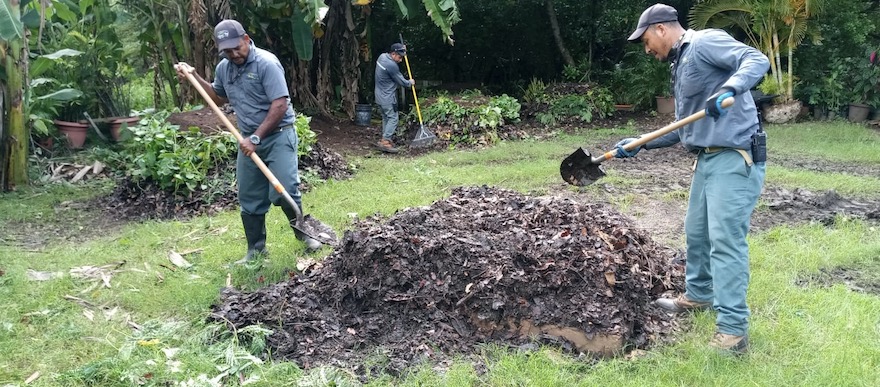
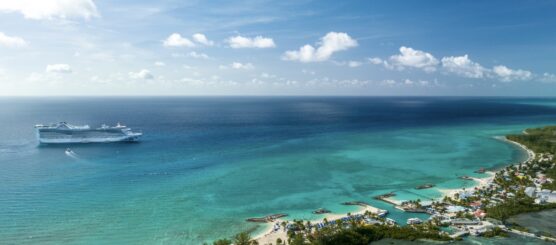
The vibrant gardens and natural landscapes at Carnival Corporation’s Isla Tropicale in Roatán, Honduras are famous for wowing cruise guests when they arrive. But take a peek behind the stunning welcome, and you’ll find a precise, sustainable gardening choreography that helps power the grounds’ continuous beauty.
Over the past nine years, the dedicated Health, Environmental, Safety and Security (HESS) team has perfected a robust composting program that turns lawn clippings, dry leaves, twigs and garden trimmings into thousands of pounds of nutrient-rich soil. The self-made supply of compost soil nourishes new garden areas, replenishes mature gardens and supports the port’s ongoing reforestation program – all while diverting organic waste that would have otherwise gone to the municipal garbage site.
“At Isla Tropicale, we have vast gardens covering over 118,400 square feet and new landscaping beds are constantly being created,” explains Elena González, operations manager at Isla Tropicale. “Instead of relying on outside materials to maintain the gardens, we realized we could meet that demand ourselves, so we drew up a plan to create compost heaps.”
Creating the Nutrient-Rich Compost Soil
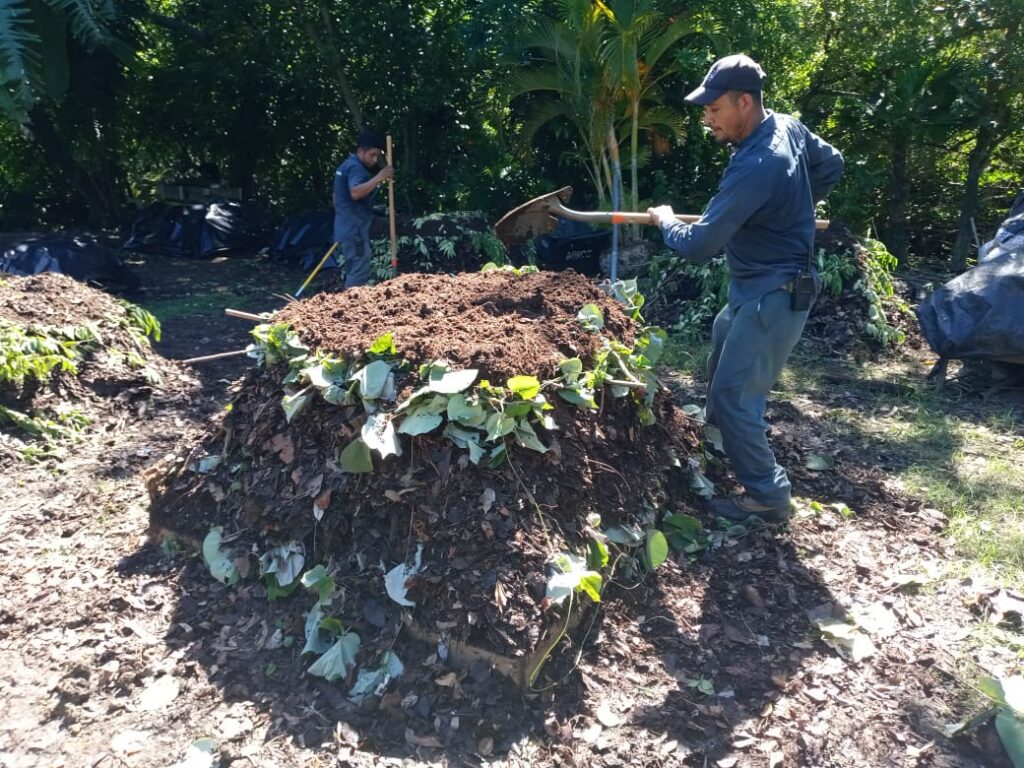
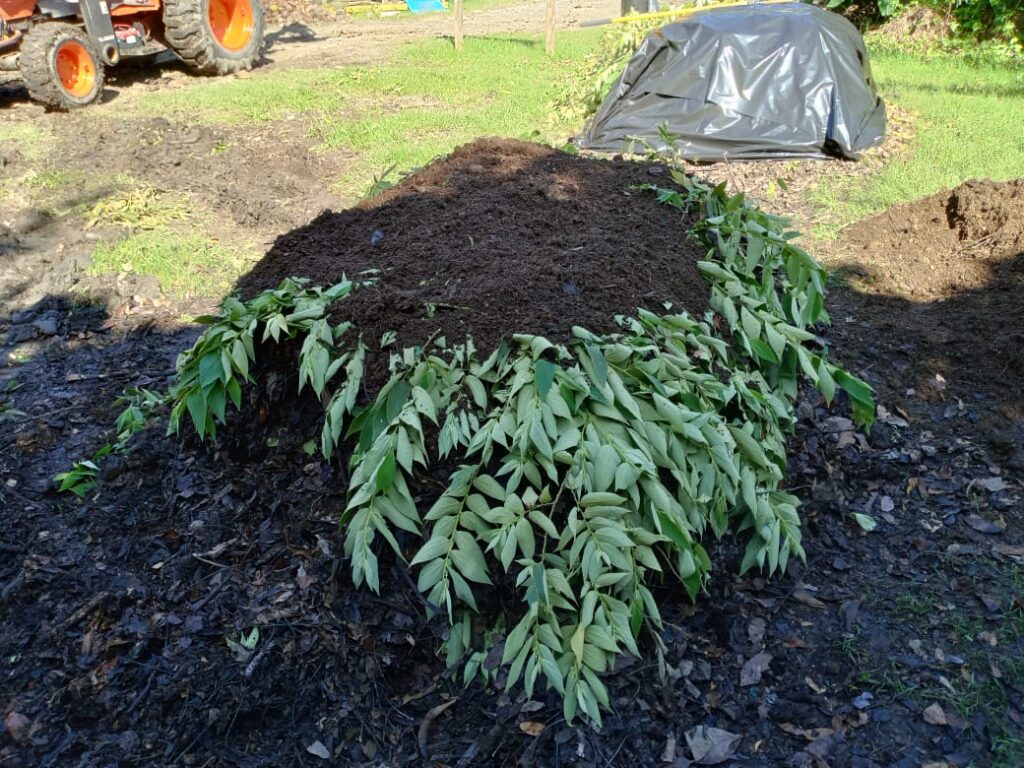
The process is systematic. In dedicated areas away from guest-facing spaces, the team separates materials: fresh green cuttings in one section, dry leaves and branches in another. Every bit of garden waste produced by the port’s extensive landscaping becomes raw material for new growth in the 10 onsite composting heaps.
Building each heap follows a precise layering process with branches and twigs creating an aerated base, followed by 10 to 12 inches of dry material. A PVC pipe inserted through the center allows water and oxygen to reach the core of the heap. Green material, manure, a thin layer of ash and mature compost or topsoil complete the structure. The team waters each heap to maintain a humidity level of 60%, covers it and logs progress on a maintenance calendar.
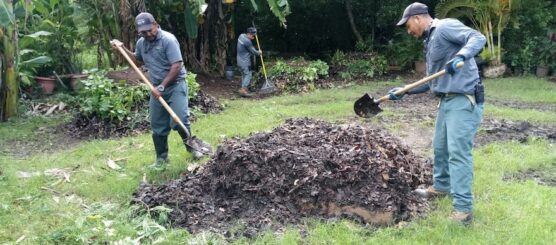
Microorganisms break down the organic matter over time, transforming what was once scraps into something valuable. Every few weeks, the team uncovers each heap, turns it by hand (moving top layers to the bottom) and monitors its evolution. Unlike kitchen-based composting systems that require more frequent turns, Isla Tropicale’s garden-focused approach allows for about four weeks between the first turn, followed by three weeks thereafter.
Eventually, each heap shrinks and darkens, producing approximately 1,000 pounds of finished compost per holding area, which is weighed in sacks and palletized for distribution across the property.
Expanding the Model
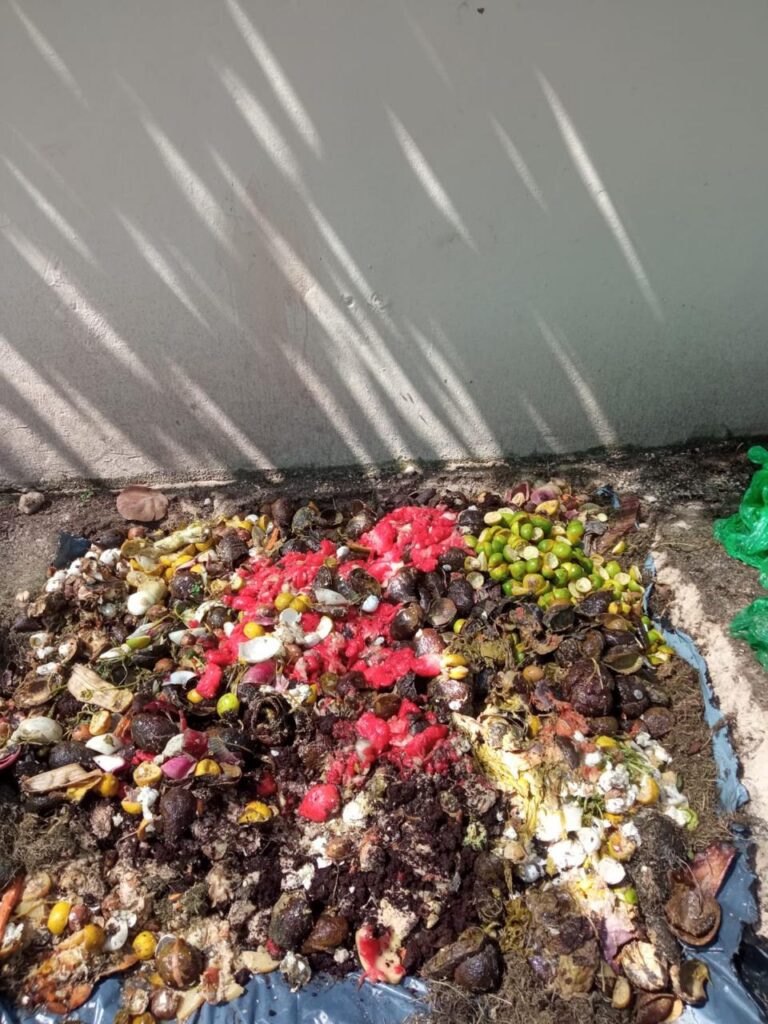
Meanwhile, across the Caribbean Sea, Carnival Corporation’s Puerta Maya Cruise Center in Cozumel, Mexico, runs its own compost soil program that makes use of compostable organic waste generated at the port by collecting fruit and vegetable scraps, eggshells, coffee grounds and green waste from garden maintenance.
At the port, segregated materials are deposited into compost containers where food scraps are combined with a layer of dry leaves or garden trimmings and mineral-rich byproduct from wastewater treatment to ensure the proper balance of carbon and nitrogen, as well as optimal moisture. From there, the team balances a combination of aeration, mixing and monitoring to track the progress of the compost and promote positive microbiological activity.
Similar to the work at Isla Tropicale, this process at Puerta Maya reduces organic waste sent to landfills while enriching the port’s garden soils and promoting sustainable practices across team members and concessionaires.
“Programs like this prove that sustainability and smart operations are two sides of the same, very green coin,” said Leonel Vargas, HESS manager at Puerta Maya Cruise Terminal. “We’re eliminating waste and creating something that makes our destinations even more appealing to guests.”
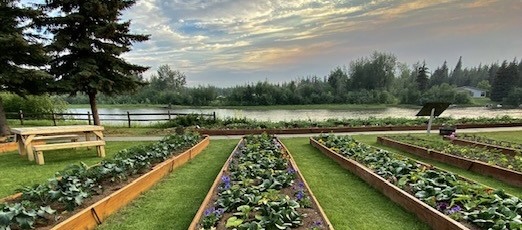
A testament to Carnival Corporation’s broader circular economy commitment to reduce waste and optimize resources across all of its operations, the lush tropical gardens blooming with native plants enhance the ecological health of the cruise facilities and surroundings, and ensure the Caribbean gems remain sustainable, naturally vibrant destinations for years to come.