Buckets of Opportunity: Copper River Princess Wilderness Lodge’s Program for Turning Food Scraps Into Resources
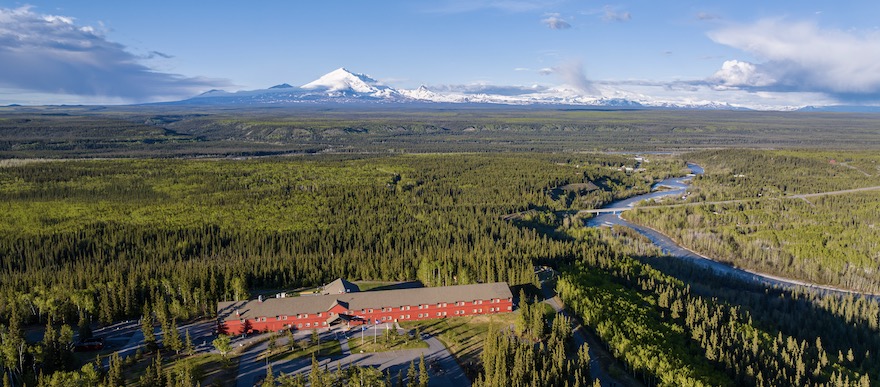
This summer in Alaska, more than 6,600 pounds of food scraps left the Copper River Princess Wilderness Lodge in pink buckets, bound for a second life instead of going to waste. It’s the result of a program started by the lodge’s food and beverage supervisor Bella Webb, who saw an opportunity to connect the kitchen with local farmers and composters who could put its scraps to good use.
A Growing Partnership
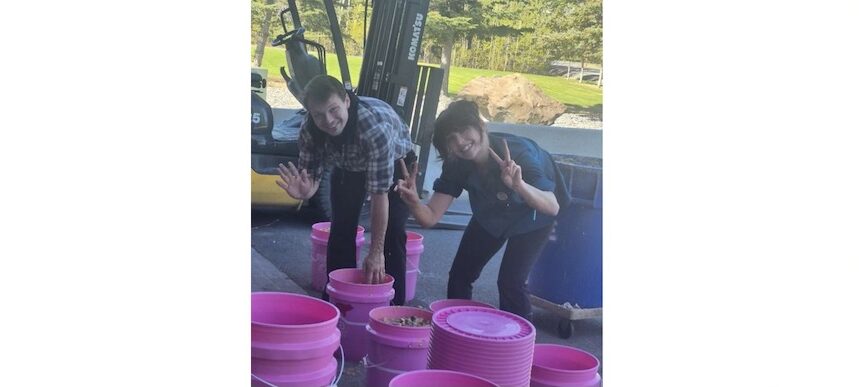
Early in the season, Bella reached out to residents near the Alaska lodge to ask whether anyone wanted the kitchen’s scraps. Eleven people said yes. Some wanted leftover food for their animals, while others wanted produce trimmings and coffee grounds for compost. The program started with 20 pink buckets set aside for pig feed, but demand quickly outpaced supply. The lodge now runs 40 buckets total, eight of them dedicated to compost scraps, with eight pickup days so far this season.
“It has been fun seeing the composters look forward to the coffee grounds and hearing stories about the pigs getting excited when they see a pink food bucket coming their way,” said Bella.
Teamwork Behind the Scenes
The team tracks the program by hand in a notebook, logging farmer names, gallons and pounds taken, and which numbered bucket left the lodge each day. Local farmers clean the buckets before returning them, a small routine that has become its own point of pride for the partnership.
Around the lodge, the program runs on helping hands. Buckets sit by the prep tables and in the dish pit, and every team member makes scrap sorting part of the daily routine.
“All of us working toward the same goal has created lots of opportunities for joy within the team,” Bella said. “Being able to be a part of this while leading this food waste reduction program has been one of the best parts of my summer.”
The program is a natural extension of Carnival Corporation’s Less Left Over food waste reduction strategy. Across the company, that commitment takes many forms, from large-scale technology to local initiatives like this one, all working toward the same goal of putting food to better use. Here, it took the form of a phone call, a couple of pink buckets, and neighbors eager to turn one side’s leftovers into the other’s resource. That’s what sits at the heart of Less Left Over, finding opportunities to repurpose food waste in ways that fit each community.